
A Lost World: the Galician Shtetl and Siberia

 FB
FB
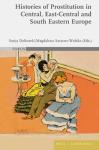
This edited collection comprises twelve original research papers scrutinizing the historical dimensions of prostitution across 19th and 20th century Central, South, and East-Central Europe. Each contribution employs distinct methodological perspectives and diverse sources. Notably, this volume includes pioneering articles delineating nearly uncharted terrains in the history of prostitution in Europe, especially socialist Eastern European countries.
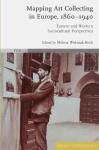
The essays featured in this book cover a broad spectrum of topics related to individual identity strategies and art collecting in the late modern era. They give a pan-European perspective on collecting in its various facets, encompassing the history of museums, exhibition policy, art market history, history of taste shaping and provenance research.

Leben als ob
Aufzeichnungen aus dem besetzten Polen. Aus dem Polnischen von Lothar Quinkenstein
Die Volksabstimmung in Oberschlesien 1921. Nationale Selbstbestimmung oder geopolitisches Machtspiel?
Autor:in: Grete Rebstock
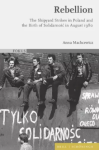
"Rebellion" ist eine faszinierende, vielschichtige Geschichte darüber, wie sich Revolutionen entwickeln. Die Geschichte beginnt, als die kommunistischen Behörden in Polen nach der blutigen Niederschlagung von Streiks im Dezember 1970 ein besseres Leben versprechen. Die Verfügbarkeit von Waren wird vorübergehend verbessert, und eine Zeit lang scheint die Außenwelt näher zu sein. Nur ein Jahrzehnt später kam es jedoch zur Rebellion. Dieses Buch erzählt die ganze Geschichte des großen Streiks vom August 1980, in dessen Mittelpunkt die Gdansker Werft stand.